


“Free TV” Sounds Great — Until It Isn’t: What You Need to Know About Superboxes
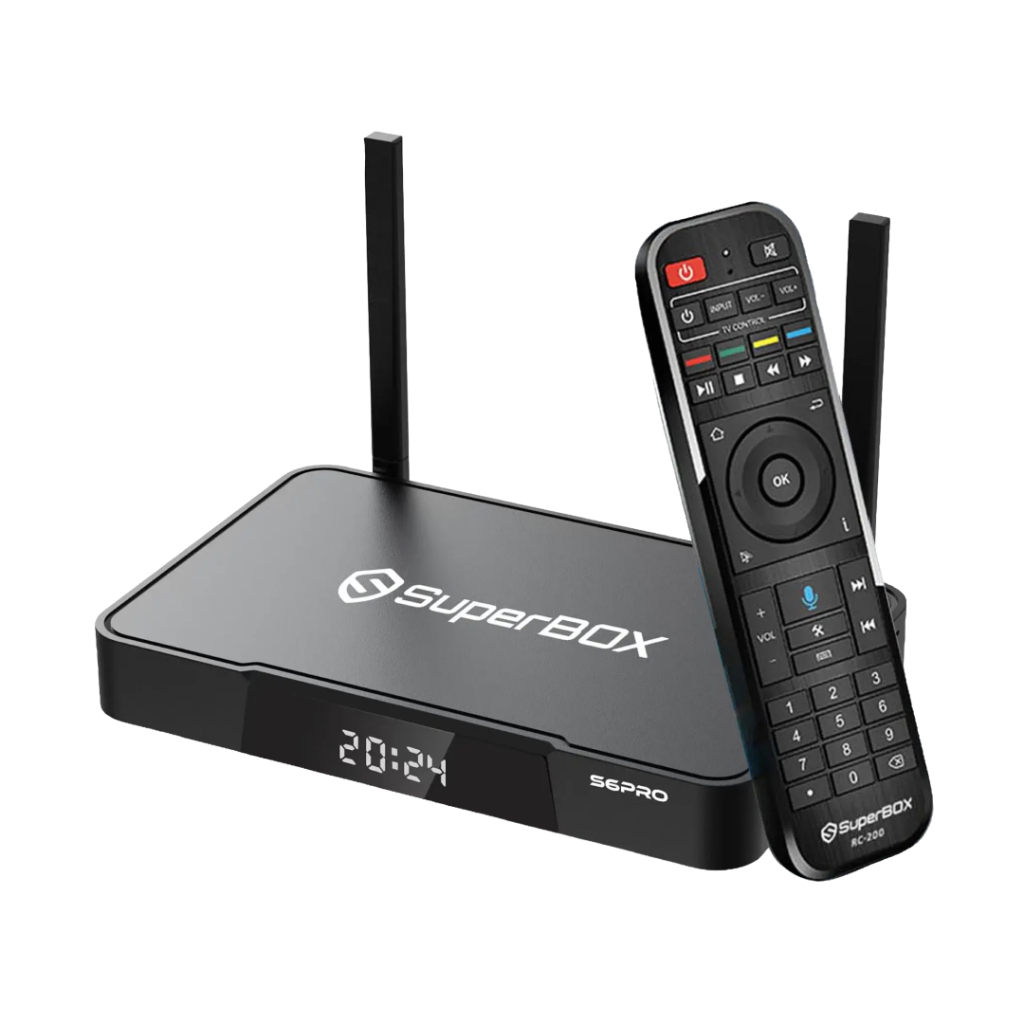
If you’ve been scrolling through Amazon lately, you may have spotted a small streaming device with a big promise: pay once, get free TV forever. No cable bill. No monthly subscription. Thousands of live channels, movies, sports — all for a one-time price of $200 to $300.
The device is called a SuperBox. And while the pitch is undeniably tempting, there’s a lot more to the story.
What is a SuperBox?
SuperBox is an Android-based streaming device that connects to your TV and internet, allowing you to stream a wide variety of content. It features live TV channels and on-demand movies and TV shows, often with no subscription fees.
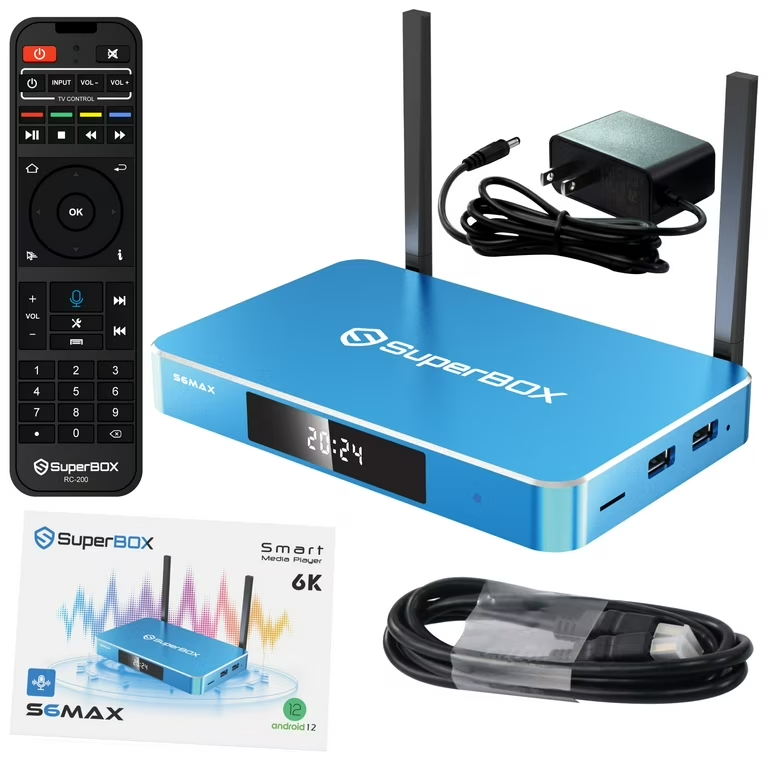
On the surface, it looks a lot like a Roku, Fire Stick, or Apple TV. You plug it into your HDMI port, connect to Wi-Fi, and start watching. The difference is in what comes preloaded. SuperBox devices often come preloaded with third-party apps that claim to offer free access to live TV, movies, sports, and premium channels.
That’s where things get complicated.
The “Free TV” Promise — What’s Actually Going On?
When SuperBox and similar devices advertise “free” TV, they’re not referring to services like Pluto TV or Tubi which are legitimate, ad-supported platforms that are genuinely free. They’re talking about something else entirely.
SuperBox bundles apps — like “Blue TV” — which mimic a full-fledged cable lineup and offer time-shifting features. These apps don’t appear in Google Play, and they require a one-click installer that pulls the streaming client from a hidden server. The hardware itself is legal, but the bundled software violates copyright law by redistributing protected streams.
In other words: the “free” content is free because someone else is paying for it — and passing the stream along without permission. That’s piracy.
Is It Legal?
This is the question everyone asks. The short answer is: it depends on how you use it, and the legal landscape is getting stricter.
The SuperBox hardware itself is legal, but the way most people use it, to access thousands of copyrighted channels and content without proper licensing — exists in a legal gray area at best, and is outright illegal in many jurisdictions.
Many of the apps that come pre-installed or can be added to SuperBox may not have a legal right to distribute the content they offer. These third-party apps often stream content illegally, which puts users at risk of copyright infringement.

On the seller side, the consequences are already playing out in court. Dish Network filed a lawsuit against a SuperBox reseller in 2025 alleging direct ripping of Sling TV streams and DirecTV. Dish Network secured a $1.25 million judgment against a “vSeeBox” reseller for distributing just 500 illegal devices.
And legislation is tightening. The Protecting Lawful Streaming Act made it a felony to operate an illegal commercial streaming service, with penalties of up to 10 years in prison. The Streaming Consumer Protection Act of 2025 added further requirements, including mandatory content licensing verification for IPTV services targeting U.S. customers. Federal enforcement against unauthorized IPTV services is at an all-time high in 2026.
The Security Risk Nobody Talks About
Beyond the legal concerns, there’s a cybersecurity threat that’s gotten serious attention from the FBI.
In June 2025, the FBI warned that cybercriminals were gaining unauthorized access to home networks by configuring streaming products with malicious software prior to purchase, or by infecting devices as they download required applications during setup. Once compromised IoT (Internet of Things) devices are connected to home networks, they are susceptible to becoming part of the BADBOX 2.0 botnet and residential proxy services used for malicious activity.

Malware and viruses from unverified apps can infect a device and spread across your home network. Some apps may collect personal information, track your activity, or expose login credentials without your knowledge. A compromised streaming box can become a weak link in your Wi-Fi network, putting smart home devices, computers, and even online banking at risk.
That’s not a hypothetical. In July 2025, Google filed a lawsuit against 25 unidentified defendants dubbed the “BadBox 2.0 Enterprise,” describing a botnet of over ten million Android streaming devices engaged in advertising fraud.
When you connect an unverified device to your home internet, you’re potentially inviting that threat directly into your network.
The Practical Downsides
Even if you set aside the legal and security risks, the experience often doesn’t live up to the hype.
- Unofficial streams are often unstable & unreliable.
- Channels disappear.
- Sports events freeze at the worst possible moment.
- Apps stop working after updates.
- and, when something breaks, there is usually no customer support number to call. Leaving you (the customer) up to troubleshooting.
The content you’re accessing is unauthorized, which means it can vanish without warning, no refunds, no recourse.
What Can I Do Instead?
The good news is that cutting the cord doesn’t require cutting corners. There are plenty of legitimate, affordable options that won’t put you at legal or security risk.
Free, legal streaming services like Tubi, Pluto TV, and Peacock (free tier) offer thousands of hours of movies and TV shows supported by ads, no subscription required.
Low-cost streaming bundles from services like Sling, YouTube TV, or Philo offer live TV starting at a fraction of traditional cable costs, with full legal licensing and reliable streams.
Over-the-air antennas give you free access to local broadcast channels — ABC, CBS, NBC, FOX, and PBS — with zero ongoing cost and no internet required for basic viewing.
Reputable streaming devices like Roku, Amazon Fire Stick, Apple TV, and Google Chromecast give you access to official app stores and verified content. Legitimate devices will never promise “all channels free” or “lifetime subscriptions.”
The Bottom Line
A SuperBox might look like a shortcut to saving money on your TV bill. But between the copyright risks, the cybersecurity vulnerabilities, and the unreliable streams, it’s a shortcut that comes with serious strings attached.
At Volcano Communications Group, we believe you deserve reliable, secure internet and entertainment — without the hidden costs. If you have questions about your home network security or want to explore legitimate streaming options that work with your internet plan, we’re here to help.
Your entertainment should work for you — not create problems you didn’t sign up for.
Sources:
- 1. Brigit Blog — “Is Superbox Legal? Here’s What to Know” (November 2024) hellobrigit.com/learn/is-superbox-legal-heres-what-to-know
- 2. Polar Communications — “What Is a Superbox and Is It Worth the Risk” (February 2026) polarcomm.com/what-is-a-superbox-and-is-it-worth-the-risk
- 3. The Droid Guy — “Is SuperBox Legal? What You Actually Need to Know in 2026” (April 2026) thedroidguy.com/is-superbox-legal-everything-you-need-to-know-1267259
- 4. Law Notebooks — “Is Superbox Legal?” (September 2025) lawnotebooks.com/is-superbox-legal
- 5. UBOS — “Rogue Streaming Boxes Threaten Legal Landscape” (February 2026) ubos.tech/news/rogue-streaming-boxes-threaten-legal-landscape-ubos-offers-a-secure-alternative
- 6. SuperBox Official Website — Product descriptions and feature details mysuperboxtv.com